Table Of Content
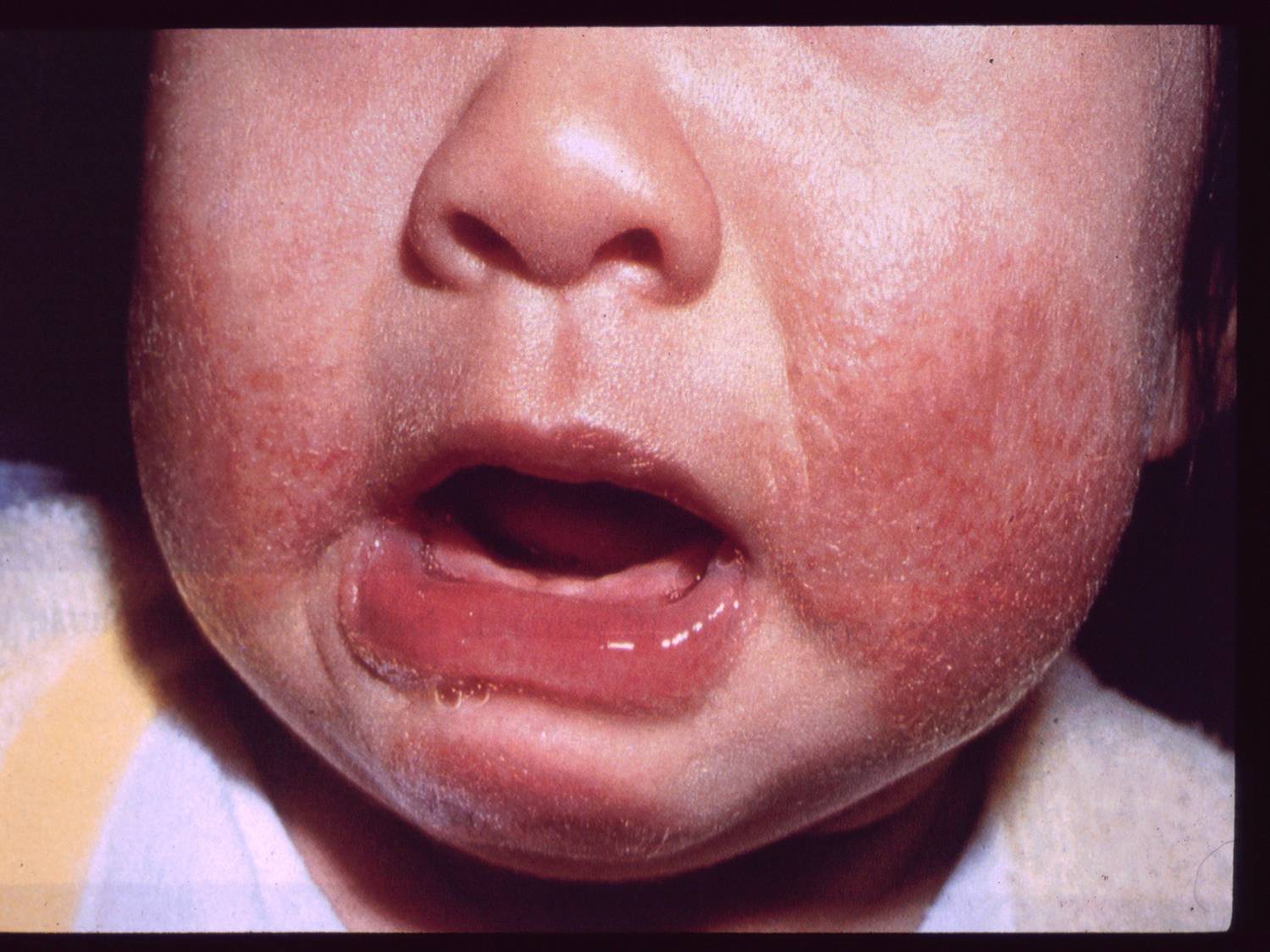
These types can be severe and they are often harder to manage. The skin can become thick, leathery, and cracked after repeated contact with your triggers. A skin infection may develop if your baby rubs the affected area. When it comes to eczema discoloration, the skin does not discriminate.
Allergic Contact Dermatitis
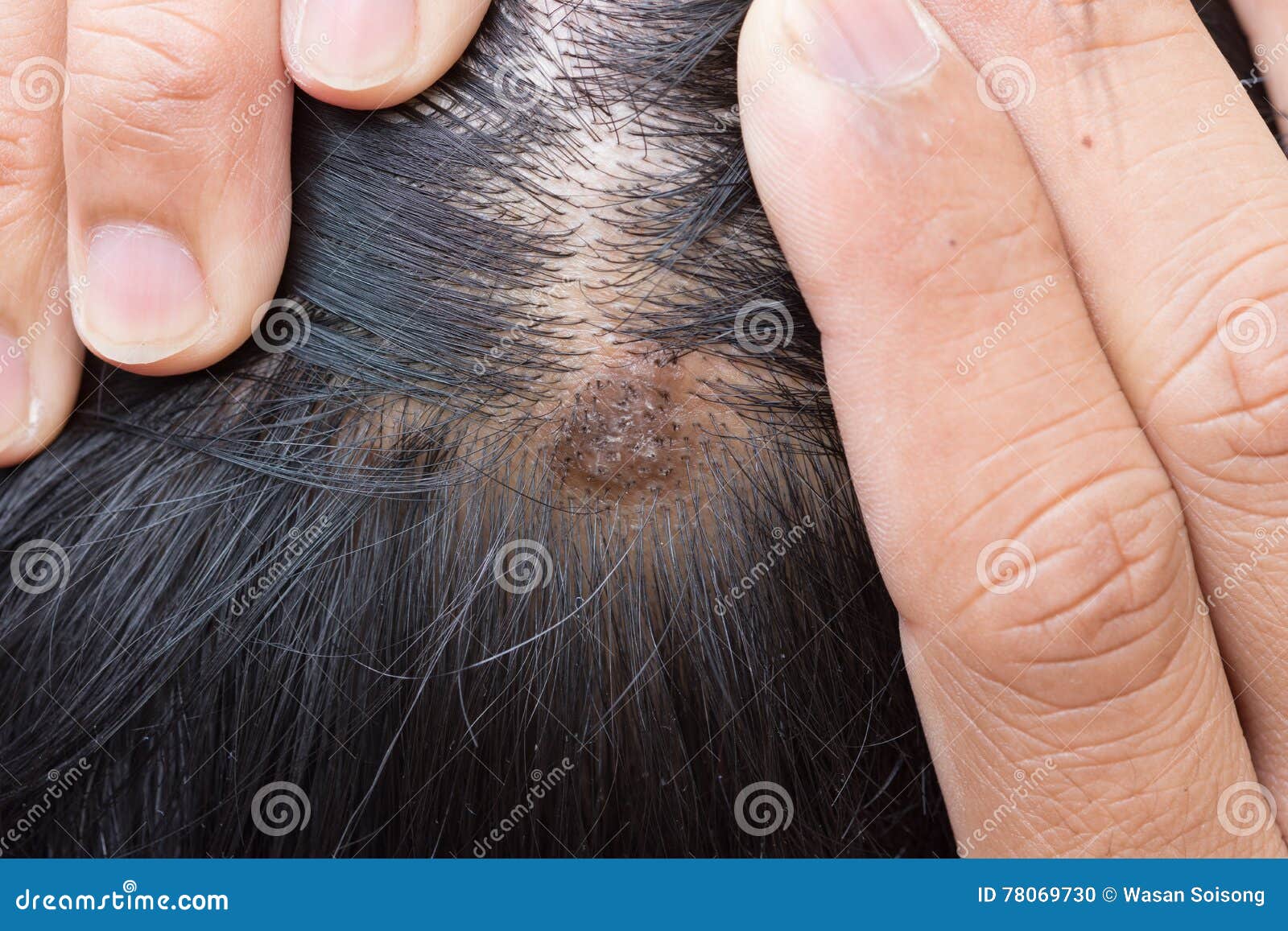
In teenagers, eczema on the scalp can occur in areas where the skin is oily (such as the scalp). Other areas where swelling, redness, and greasy scaling are commonly seen in teenagers are the sides of the nose, around the eyebrows, on the mid-chest, upper back, armpits, and groin area. For example, you can usually treat irritation and an itchy scalp with a medicated, over-the-counter dandruff shampoo. If you aren’t sure what type of scalp condition you’re experiencing, contact a doctor. They can work with you to identify the type and establish a set of preventive methods tailored to your needs.
The issue: Dryness or greasy roots
Scalp eczema, most commonly caused by seborrheic dermatitis, causes inflammation of the scalp. You might have rashes or white or yellow scales that are flaking or sticky. Symptoms often come and go; certain substances, such as cold weather, haircare products, and hot showers, can trigger flares. Other types of eczema that affect the scalp include atopic dermatitis and contact dermatitis. Your scalp might become infected if you scratch it too much.
Scalp eczema factsheet
While they do cause symptoms, these forms tend to be more manageable than other types of eczema. If you have scalp eczema, you likely deal with dry, flaky, greasy, or scaly rashes that are relatively (or really, really) itchy. If you are Black, they can look pink, slightly purple, or a bit lighter than the surrounding skin, although you may also have dark spots or patches on your face. Your hair might also look a little greasy or have visible dandruff flakes, Dr. Oyerinde says. Black people can also develop more severe cases called petaloid seborrheic dermatitis, which can cause skin discoloration and lesions around your hairline.
Atopic Dermatitis Linked to Eating Disorders
Research has also shown that genetic defects in the body's first-line defense against infection (innate immune system) might be related to eczema. The symptoms at each stage are a little bit different and can change as the condition progresses with time. Eczema symptoms can change depending on the severity and stage of the disease.
Eczema can affect any part of your body, including your scalp. Seborrheic dermatitis, the most common type of scalp eczema, causes scales and flaking on areas of your body with many sebaceous (oil) glands. Treatment typically includes medicated shampoos and moisturizers.
Find more top doctors on
People with lighter skin may have skin lesions that are red and scaly. In contrast, people with darker skin might notice scaly lesions lighter than their natural skin tone. People should never use essential oils undiluted on the skin.
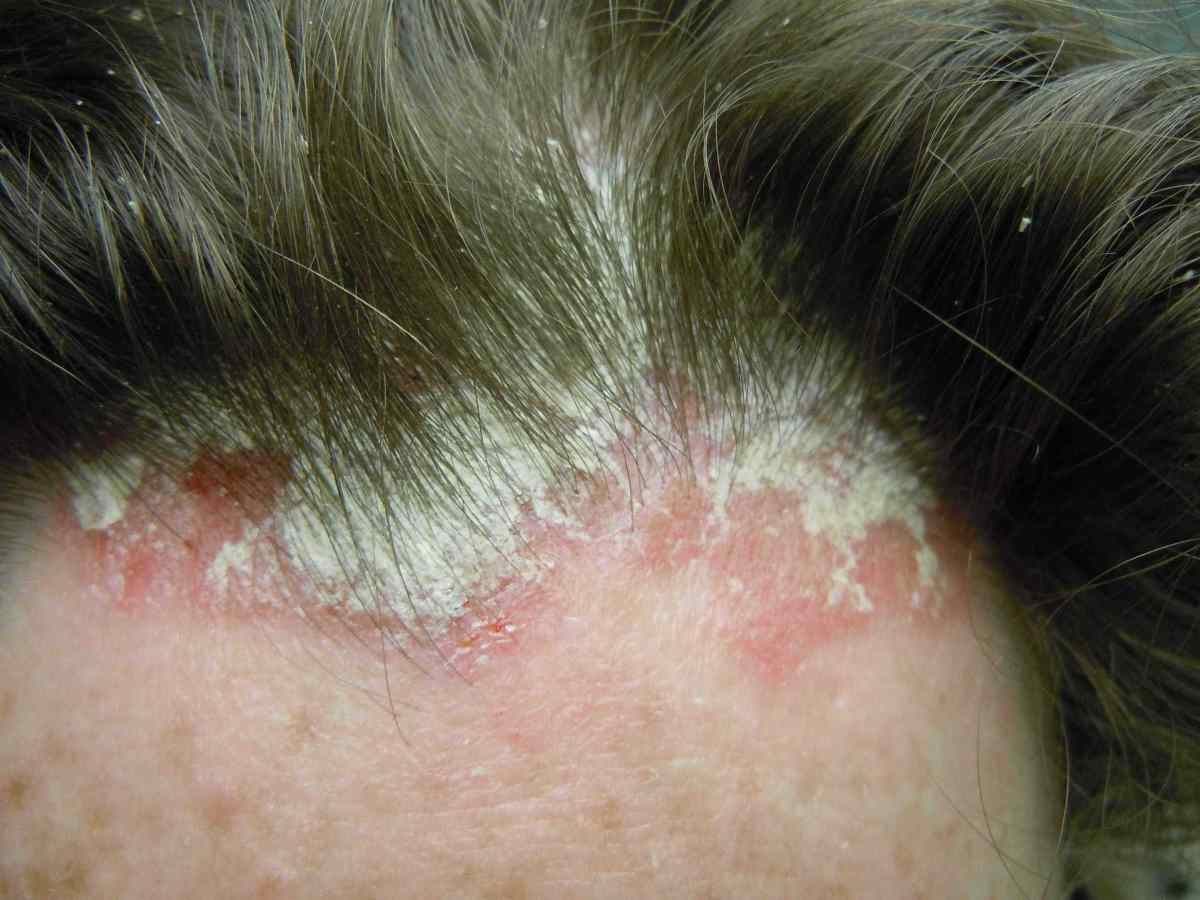
Eczema, including atopic, seborrheic, and contact dermatitis, typically presents with inflammation, itching, and redness on the scalp, often accompanied by flaking or scaling. A key characteristic of eczema is its chronic nature, with flare-ups triggered by various factors like allergens, stress, or certain products. Scalp eczema triggers you are especially likely to come in contact with include shampoo, conditioner, hair dye, and hair styling products. Many of these self-care products contain certain ingredients, like fragrances or detergents, that can cause allergic reactions or irritation in people who are susceptible. If you brush your hair aggressively, wash your hair too frequently for your needs, or heat-style your hair often, you might also aggravate dry skin on your scalp and potentially trigger eczema symptoms.
Eczema Blisters: How to Help Prevent and Treat Them
If that barrier isn’t working properly, your skin can become dry, irritated, sensitive to allergens, or prone to infections2. Scalp eczema (also found in the hairline) can be found in infants, children and adults. While there is not yet a cure for eczema, individuals with this condition may be able to manage flares with over-the-counter treatments or guidance from a dermatologist. Below, learn more about the potential triggers for scalp eczema and some expert-approved home remedies and professional treatments.
It's also important to know how to spot signs of complications. Atopic dermatitis is thought to be linked to reduced immune function, which means the body is less able to fight off germs. You will also learn how to prevent complications from the condition. Symptoms in babies include scaly and greasy patches on the scalp. The main symptoms are the same for almost everyone, but how often they happen, and how severe they are, vary from person to person. Once you give in to the urge to scratch, the telltale rash begins.
What Was Causing the Strange Grooves in the Man's Scalp? (Published 2021) - The New York Times
What Was Causing the Strange Grooves in the Man's Scalp? (Published .
Posted: Wed, 29 Dec 2021 08:00:00 GMT [source]
Plenty of products at your local drugstore might promise to help with an itchy scalp—but it’s really best to see a doctor if you can’t figure out what’s going on. Even if you don’t have scalp eczema, autoimmune conditions such as dermatomyositis, which causes muscle inflammation and rashes, can make your scalp super itchy. Your doctor can help you identify what’s causing you to scratch, figure out a treatment plan with you, and hopefully make your itchy scalp one less thing hanging over your head. The exact cause of scalp eczema, including seborrheic dermatitis, is unknown. Research has shown that people with eczema may have a genetic mutation that weakens their skin barrier. Your skin typically protects you against harmful substances.
Thus, some experts consider SD to be a psychosomatic disorder (an illness caused or worsened by a mental factor such as internal conflict or other stressors). See pictures of atopic dermatitis and learn to recognize contact dermatitis, nummular eczema, dyshidrotic eczema, and other types of eczema. The severity of seborrheic dermatitis may be lessened by controlling risk factors and triggers, and taking care of the skin. There is a strong association between seborrheic dermatitis and yeast of the genus Malassezia, which are normally present in the skin but often overgrown in people with the skin condition. Seborrheic dermatitis is a chronic inflammatory condition caused by the overproduction of sebum, the natural oils secreted by sebaceous glands in the scalp. Topical steroids designed for use on the scalp can be prescribed.
Hello Klean has a range of haircare formulated for hard water areas. If you have already been diagnosed with eczema, you still need to see a provider to help manage your condition. For example, eczema herpeticum can develop across a large plaque of eczema where the skin is broken, allowing the virus to spread. Eczema herpeticum can lead to permanent scarring, vision damage, and organ failure. If it spreads to the brain, lungs, or liver, it can also lead to death. Bacteria such as Staphylococcus aureus can cause infections like impetigo.
This involves using ultraviolet light from special lamps to help relieve eczema symptoms. This is an in-office procedure and generally requires two to three treatments per week for whatever length of time your doctor recommends. These include oral corticosteroids and biologics, the latter of which directly target your immune system to prevent the inflammatory response that fuels eczema symptoms7.
It’s why maintaining a healthy scalp microbiome is a key part of our haircare that should be taken as seriously as our skin-protecting and nourishing regime, particularly as we age. When scalp health came to the fore some years ago, the analogy was simple; If you want the best flowers to grow in your garden, you nourish the soil. And boom, the scalp care market exploded, with an influx of products, treatments and ingredients.
Plus, “excessive scratching can lead to bleeding, deep cuts, and eventually infection and worsening eczema,” Dr. Negbenebor says. Irritant contact dermatitis is similar to allergic contact dermatitis, but it does not include an immune system response. Avoiding the irritating substance is the best way to combat irritant and allergic contact dermatitis.


No comments:
Post a Comment